
The Importance of Routine Dental Cleanings for Pets
At VSL Veterinary Clinic, we believe preventive care is the foundation of a long, healthy, and comfortable life for your pet. While many pet owners prioritize vaccinations, nutrition, and exercise, dental health is often overlooked. However, dental disease is one of the most common medical conditions affecting dogs and cats and can have a significant impact on their overall health and well-being.
By the age of three, most dogs and cats show some degree of periodontal disease. Without proper care, dental disease can lead to chronic pain, infection, tooth loss, severe dental disease may have effects beyond the mouth and can impact a pet’s overall health.
Routine dental care, including regular veterinary examinations, professional dental cleanings, and home dental care, plays a crucial role in maintaining your pet’s quality of life.
Why Dental Health Matters
Dental disease begins with the accumulation of plaque on the teeth. If plaque is not removed, it hardens into tartar, creating an environment where bacteria can thrive. Over time, these bacteria cause inflammation of the gums (gingivitis) and damage to the structures supporting the teeth, leading to periodontal disease.
Unlike humans, pets often hide signs of discomfort. As a result, many animals continue eating and behaving normally despite significant dental pain. This makes regular dental assessments especially important for detecting disease before it progresses.
Signs Your Pet May Have Dental Disease
Pet owners should watch for signs that may indicate dental disease, including:
- Persistent bad breath
- Yellow or brown tartar buildup on the teeth
- Red, swollen, or bleeding gums
- Difficulty chewing or eating
- Dropping food while eating
- Excessive drooling
- Pawing at the mouth
- Loose, broken, or missing teeth
- Changes in appetite or behavior
If any of these signs are observed, a veterinary dental examination is recommended.
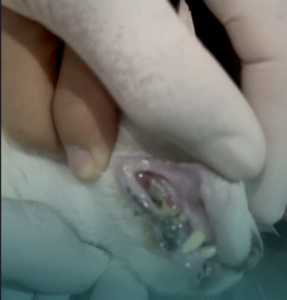
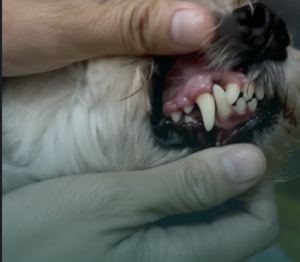
The Importance of Veterinary Dental Examinations
Routine veterinary examinations are essential for maintaining good oral health and identifying dental problems early.
For young adult pets, a thorough oral examination should be performed during annual wellness visits. Early intervention can help prevent minor dental issues from developing into more serious conditions.
Senior pets often benefit from oral examinations every six to twelve months, as they are more susceptible to advanced periodontal disease, tooth fractures, and other age-related dental conditions.
Regular examinations allow veterinarians to evaluate the health of the teeth and gums, identify signs of pain or infection, and recommend treatment when necessary.
What Happens During a Professional Dental Cleaning?
Many pet owners are surprised to learn that a professional dental cleaning involves much more than simply removing visible tartar.
A comprehensive dental procedure typically includes:
- General anesthesia
- Complete oral examination
- Periodontal probing to assess gum health
- Ultrasonic scaling above and below the gumline
- Polishing of the teeth
Professional dental cleanings allow veterinarians to identify and treat dental disease before it progresses to more severe stages.
Breed and Species Considerations
Not all pets develop dental disease at the same stage or age.
Small dog breeds such as Yorkshire Terriers, Toy Poodles, and Chihuahuas are particularly prone to periodontal disease and often require professional dental cleanings more frequently than larger breeds. Their crowded teeth can create areas where plaque and tartar accumulate more easily.
Cats face their own unique dental challenges. Conditions such as Feline Odontoclastic Resorptive Lesions (FORLs) and gingivostomatitis can cause significant pain, even when visible tartar is minimal. Because cats are especially skilled at hiding discomfort, routine veterinary examinations are essential for detecting these conditions early.
Every pet is unique, and dental care recommendations should be tailored to the individual animal’s age, breed, lifestyle, and oral health status.
Supporting Your Pet’s Dental Health at Home
While professional dental care is essential, maintaining good oral health does not stop when your pet leaves the clinic. Consistent home care plays a vital role in slowing plaque accumulation, reducing the risk of periodontal disease, and prolonging the benefits of professional dental cleanings.
The most effective dental care plans combine routine veterinary examinations with regular home dental care.
Daily Tooth Brushing
Daily tooth brushing remains the gold standard for maintaining healthy teeth and gums and preventing plaque accumulation.
Ideally, teeth should be brushed once daily. However, brushing three to four times per week can still provide significant benefits.
When brushing your pet’s teeth:
- Use a pet-specific toothpaste; human toothpaste should never be used.
- Use a soft toothbrush or finger brush.
- Focus on the outer surfaces of the teeth, especially the large cheek teeth where plaque commonly accumulates.
- Introduce brushing gradually and use positive reinforcement to create a positive experience.
Additional Dental Support
Depending on your pet’s needs, your veterinarian may recommend additional dental support, including:
- Veterinary dental diets designed to reduce plaque and tartar accumulation
- Dental chews with proven effectiveness
- Oral gels, rinses, or water additives
Monthly Home Monitoring
Pet owners should routinely check their pet’s mouth and monitor for:
- Bad breath
- Red or bleeding gums
- Tartar buildup
- Loose or broken teeth
- Difficulty eating
- Pawing at the mouth
- Excessive drooling
Cats can be particularly skilled at hiding dental discomfort, making subtle changes in appetite, grooming habits, or behavior important warning signs that should not be ignored.
The Gold Standard for Dental Care
Veterinarians caring for companion animals strive to maintain excellent oral health through a combination of preventive care and early intervention.
The ideal approach includes:
- Daily tooth brushing from puppyhood or kittenhood
- Regular veterinary oral examinations
- Annual dental assessments
- Prompt treatment of fractured teeth or periodontal disease
- Good nutrition and maintenance of an ideal body condition
For most dogs and cats, the practical goal is simple: daily brushing, annual veterinary oral examinations, and professional dental cleaning when recommended. This combination provides the strongest evidence-based protection against periodontal disease and helps ensure a healthier, more comfortable life.
Final Thoughts
Dental disease is one of the most common yet preventable health conditions affecting companion animals. Through routine veterinary examinations, professional dental cleanings, and consistent home care, pet owners can significantly improve their pet’s comfort, health, and quality of life.
If you have concerns about your pet’s dental health or would like to schedule a dental evaluation, please contact our team. Early detection and preventive care can make a significant difference in your pet’s long-term health and comfort.