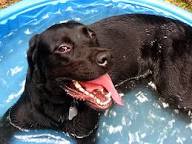
Heat Stroke, Know the Signs in your pet & Prevention
Heatstroke can happen faster than most owners realise and we have already seen a few cases come through the clinic as the weather starts warming up.
Watch for early signs like:
– Heavy panting, intense and noisy
– Drooling, with saliva usually thick and stick
– Restlessness and agitation
– Vomiting and diarrhoea
– Incoordination, collapse and even seizures
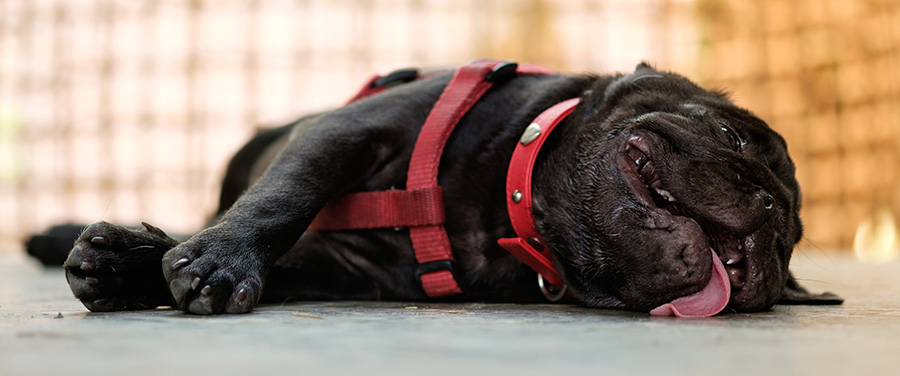
Why is it an emergency?
Heatstroke isn’t just your pet being “too hot” it’s a medical emergency affecting the whole body. That’s why calling your vet straight away is so important. As a pet overheats, their body can go into shock, meaning blood isn’t circulating properly and vital organs don’t get enough oxygen as a result of it. The kidneys are especially vulnerable, leading to acute kidney injury (AKI), which can cause lasting damage for the pet’s health in the future. Heatstroke can also affect the brain, causing disorientation, collapse or seizures and may trigger dangerous clotting problems or internal bleeding. In severe cases, multiple organs can begin to fail…
If you notice your dog showing signs of heatstroke, acting quickly can make a real difference:
The first step is to move your dog to a cool, shaded or air-conditioned area. Start gentle whole body cooling by pouring lukewarm tap water over them and using a fan to help the water evaporate and carry heat away. Focus on areas like the belly, inner thighs and paws, and remember that dogs with thick coats may benefit from a quick trim before wetting.
Avoid placing ice as this can actually reduce heat loss by causing vasoconstriction, reducing cooling process and don’t wrap them in wet towels, which can trap heat instead of releasing it. Offer small sips of water, but never force them to drink.
Even if your dog seems to recover, it’s vital to get them to a vet. Heatstroke can quickly lead to shock, acute kidney injury (AKI) and organ damage, which need professional monitoring and treatment to ensure a full recovery.