
Ringworm in Cats & Dogs: A Pet Owner’s Guide to Symptoms, Prevention & Treatment
If you’ve noticed a strange, circular bald patch on your cat or dog, you may be dealing with ringworm — one of the most common fungal infections in pets. Despite its name, ringworm isn’t caused by a worm at all. It’s a fungal infection that can affect your pet’s skin, hair, and nails. The good news? With the right knowledge, it’s entirely treatable and preventable.
What Is Ringworm?
Ringworm (dermatophytosis) is caused by fungi called dermatophytes, most commonly Microsporum canis. These fungi feed on keratin (the protein found in skin, hair, and nails) making your pet’s coat and skin their perfect habitat. It spreads through direct contact with an infected animal, contaminated bedding, grooming tools, or even soil. These fungi are specialised to survive on keratin — the tough structural protein that makes up skin, hair, and nails. Once they land on a suitable host, they anchor into the outermost layers of the skin and begin breaking down keratin for nutrients, triggering the inflammatory response we recognise as ringworm.
The Fungi Behind the Infection
Ringworm in cats and dogs is caused by a group of fungi called dermatophytes. There are three main species responsible for the majority of pet infections:
- Microsporum canis is the most common in cats (responsible for ~90% of feline cases) and frequently seen in dogs too
- Microsporum gypseum mostly is a soil-dwelling fungus that dogs and outdoor cats may pick up while digging or roaming
- Trichophyton mentagrophytes is more common in dogs, often linked to contact with rodents or their burrows
Ringworm is zoonotic which mean it can spread from pets to humans, especially children, elderly people, and anyone with a weakened immune system. Early detection and treatment is essential.
Recognising the Symptoms
In Cats
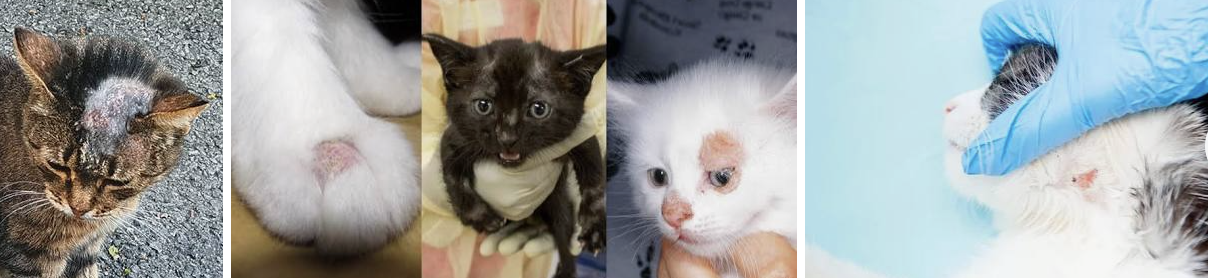
Cats can carry ringworm without showing obvious signs, making them ‘silent carriers.’ When symptoms do appear, look out for:
- Circular, scaly bald patches which often found on the head, ears, and forelimbs
- Broken, brittle, or stubbly fur around the edges of the patch
- Red, inflamed, or crusty skin at the centre of patches
- Excessive grooming or scratching of affected areas
- Dandruff-like flaking in the coat
In Dogs
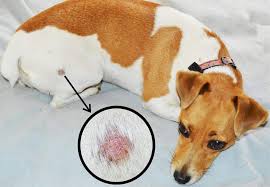
Dogs tend to show more visible symptoms than cats. Watch for:
- Round, coin-sized bald spots especially on the face, paws, and ears
- Itchy, inflamed skin that may ooze or crust over
- Brittle nails or misshapen claws (in nail infections)
- Dull, patchy coat with irregular hair loss
- Darkened or thickened skin in chronic cases
When to See a Vet
If you notice any of these signs, book a vet appointment promptly. Ringworm won’t resolve on its own and can spread rapidly through multi-pet households. Your vet will use a Wood’s lamp (UV light), fungal culture, or microscopic hair examination to confirm the diagnosis.
Treatment Options
Treating ringworm requires patience — most cases take 6 to 12 weeks for complete resolution. Your vet will likely recommend a combination of topical and oral treatments.
Topical Treatments
- Antifungal shampoos (e.g., miconazole or ketoconazole) — bathe your pet 2–3 times per week
- Antifungal creams or sprays applied directly to lesions daily
- Clip fur around lesions to improve product penetration and reduce spread
Oral (Systemic) Treatments
For widespread infections or cases not responding to topical treatment, vets prescribe oral antifungal medications:
- Itraconazole : commonly used in cats; given in pulse dosing cycles
- Terbinafine : often prescribed for dogs; generally well-tolerated
Always complete the full course of medication, even if your pet looks better. Stopping early can cause the infection to return or become resistant.
Environmental Decontamination
Treating your pet alone isn’t enough. Fungal spores can survive in your home for up to 18 months. You must also:
- Vacuum all carpets, furniture, and bedding daily during treatment
- Wash pet bedding and soft toys in hot water weekly
- Disinfect hard surfaces with a dilute bleach solution (1:10 bleach to water)
- Dispose of or thoroughly disinfect grooming tools
- Isolate infected pets from other animals and young children until cleared
Prevention Tips
A little prevention goes a long way. Follow these steps to reduce your pet’s risk of ringworm:
- Regular vet check-ups to catch infections early, especially in multi-pet homes
- Quarantine new pets for at least 2 weeks before introducing them to resident animals
- Avoid contact with stray or unknown animals (ringworm spreads through a single sniff or touch)
- Keep your pet’s immune system strong with a balanced diet, exercise, and stress reduction
- Wash your hands thoroughly after handling animals, especially before touching your face
- Don’t share grooming tools between pets make sure label and clean them separately
Pro Tip: Boost Immunity
Ringworm is far more likely to take hold in young kittens and puppies, elderly pets, or those under stress. A high-quality diet rich in omega-3 fatty acids, regular play, and routine vet visits all support a healthy immune system your pet’s first line of defense.