
THE IMPORTANCE OF STERILIZING YOUR PET
THE IMPORTANCE OF STERILIZING YOUR PET
Deciding to sterilize your pet is one of the most responsible choices a dog or cat owner can make.
Sterilization (Spaying females or Castrating Males) is considered a preventive measure, and if done at the appropriate age will reduce behavioral problems, improve individual health and help control pet overpopulation.
BENEFITS
From a medical point of view, sterilization has several health benefits:
- In females, spaying prevents pyometra, a life-threatening uterine infection.
- Reduces the risk of mammary tumors in females, especially when performed before the first or second heat cycle.
- In males, neutering eliminates testicular cancer and decreases the incidence of prostate disease.
- Spaying and Castration procedures both reduce hormone-driven roaming, which lowers the risk of traumas and traffic accidents.
- Castrated cats will also be less involved in fights with other cats, reducing the chances of catching transmissible diseases, like Feline Immunodeficiency Virus (FIV) and Feline Leukemia virus (FeLV)
Behavioral benefits are equally important, especially in males. Some of these benefits include:
- Castrated dogs and cats are less prone to urine marking, will have less aggression, and less mounting behaviors.
- Spayed females no longer experience heat cycles, eliminating associated vocalization, restlessness, and unwanted attention from males. These changes often make pets easier to manage and strengthen the human–animal bond.
Sterilization also plays a crucial role in population control, especially if your cat or dog has access to the outdoors. Unplanned litters contribute to shelter overcrowding and euthanasia of healthy animals. Preventing reproduction is a direct and ethical way to reduce this problem.
THE SURGICAL PROCEDURE
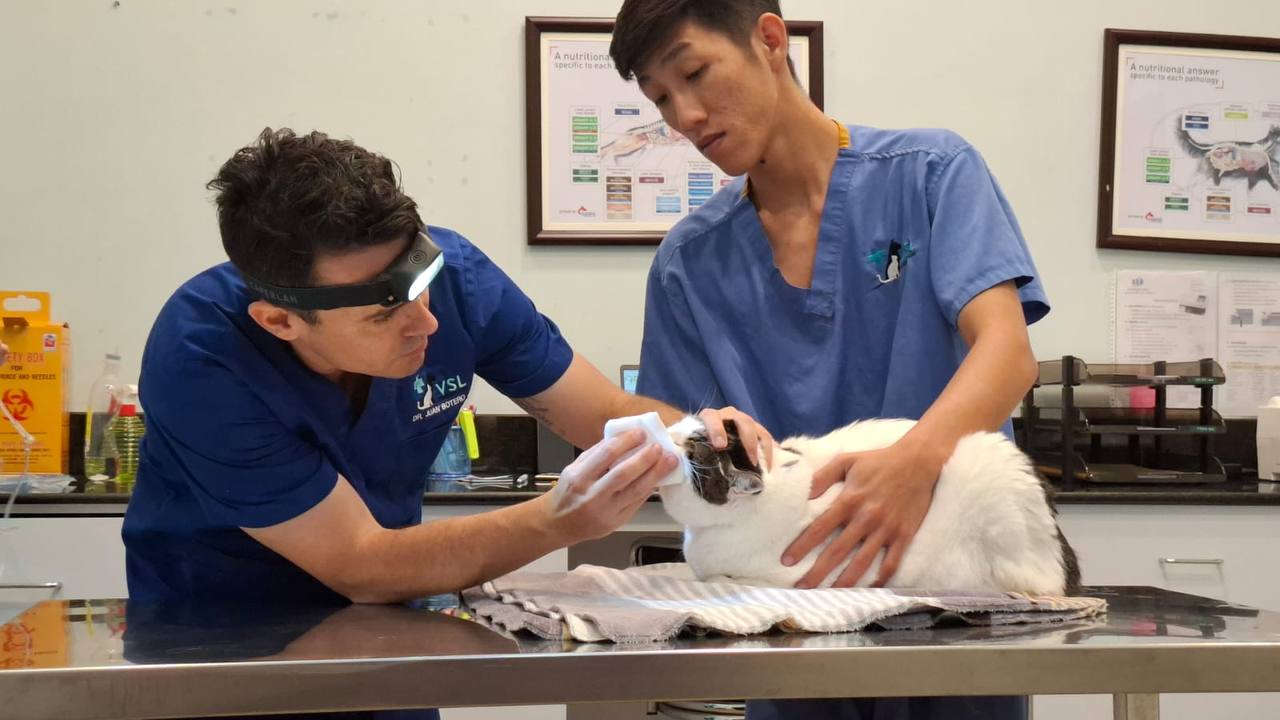
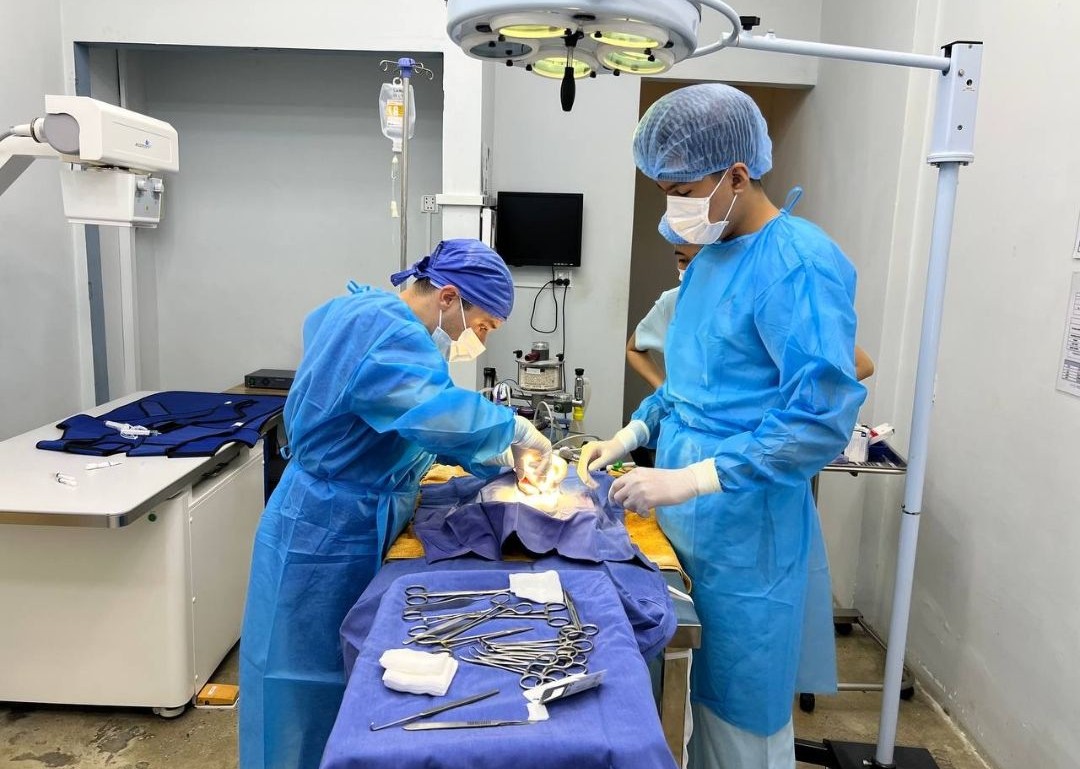
Sterilizing your pet in VSL is a simple and safe procedure. Your pet comes in the morning with an empty stomach; we perform a blood test to make sure the surgery will be safe and that the recovery will be fast. The typical duration of a spay or castration procedure is around 30 to 40 minutes. After the surgery your pet stays monitored by one of our vet nurses, making sure that it recovers safely from anesthesia. In the afternoon, around 5 PM, your pet will be completely awake and will be ready to go home. They will need to wear a protective collar or a post-surgery vest for 10 days, to prevent them from licking their wound. Three days after the surgery your pet will come for a quick check to make sure everything is healing ok, and 10 days later the stitches from the incision will be removed.
AT WHAT AGE SHOULD IT BE DONE?
Cats are typically sterilized between 4 and 6 months of age, often before sexual maturity, as early neutering is safe and effective. Dogs are commonly sterilized between 6 and 12 months, depending on breed and size. Large and giant breeds may benefit from a delayed sterilization, around 12–18 months, to support proper skeletal development. Individual recommendations should always be tailored by a veterinarian based on the animal’s health and lifestyle.
ASK US
Feel free to reach to us in any of our communication channels (Telegram, Whatsapp, Messenger, Instagram, or Phone numbers) and ask us about the appropriate time for your pet to have their sterilization procedure done.
Investing in this simple procedure ensures a happier and a healthier future for your furry friend.
Sources consulted
- avma.org/reosurces-tools/spaying-and-neutering
- aspca.org/helping-shelters-people-pets
- aaha.org/resources/spay-or-neuter/
- https://healthtopics.vetmed.ucdavis.edu/health-topics/spaying-or-neutering