
Why Should Your Pet Have a Yearly Blood Test?
Your pet may look happy, active, and perfectly healthy—but some health problems can develop quietly, without obvious signs.
Pets cannot tell us when something feels different. Changes in important organs and body systems may begin long before you notice symptoms at home. That’s why routine blood testing can be an important part of your pet’s annual health check.
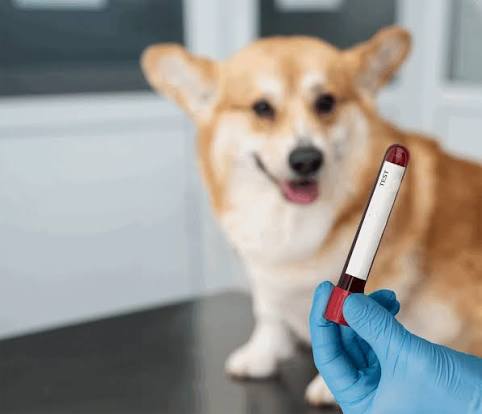
What Can a Blood Test Tell Us?
A blood test gives your veterinarian valuable information about what is happening inside your pet’s body. It can help assess overall health, identify changes that may need further investigation, and provide useful information for future comparisons.
At VSL, a routine blood test may include:
Complete Blood Count (CBC)
A CBC evaluates different components of your pet’s blood, including:
- Red blood cells, which carry oxygen throughout the body
- White blood cells, which can provide information about the immune system and inflammation
- Platelets, which play an important role in blood clotting
Changes in these values may help your veterinarian identify potential health concerns and determine whether additional testing is needed.
Biochemistry Profile
A biochemistry profile provides information about several important body functions, including:
- Kidney function
- Liver health
- Blood sugar levels
- Proteins and electrolytes
- Other important metabolic functions
Together with your pet’s physical examination, medical history, and other findings, these results can give your veterinarian a more complete picture of your pet’s health.
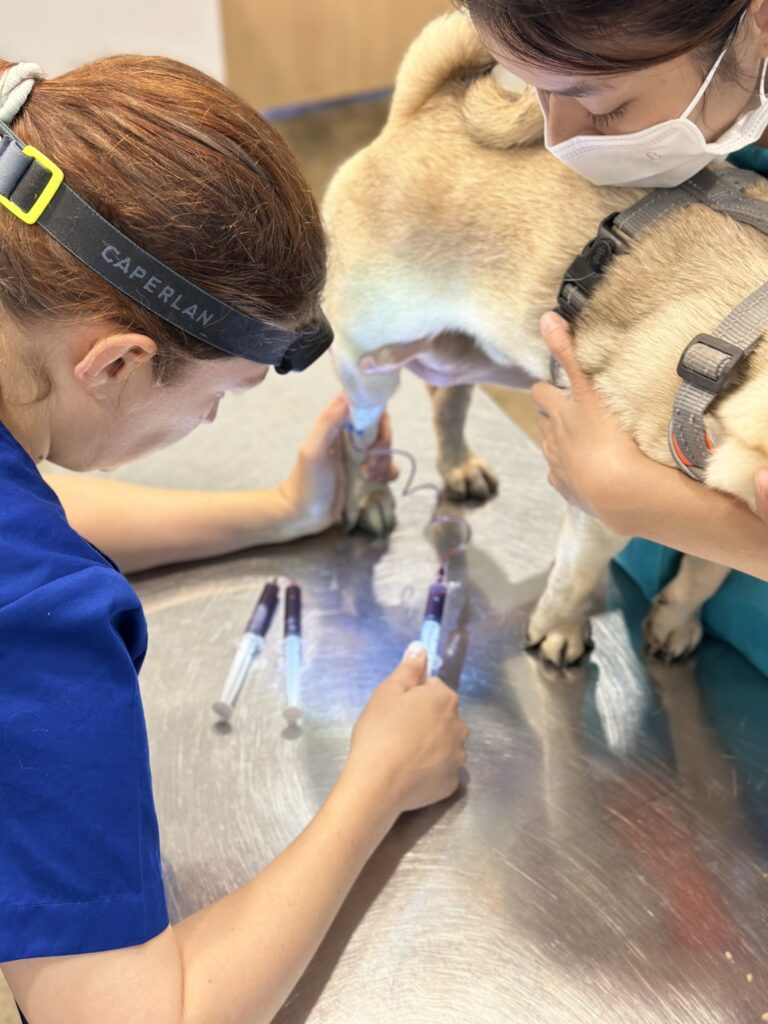
Why Is Yearly Blood Work Important?
Early Detection of Health Changes
Some medical conditions may not cause noticeable symptoms during their early stages. Routine blood work may help detect changes sooner, allowing your veterinarian to investigate and monitor them appropriately.
Establishing Your Pet’s Normal Baseline
Every pet is different. Having regular blood test results allows your veterinarian to compare current values with previous results and identify changes over time—even if a result is still within a general reference range.
Monitoring Health as Your Pet Gets Older
As pets age, the risk of certain health conditions can increase. Regular blood testing can be especially valuable for senior pets, helping monitor important organ functions and overall health.
Supporting Better Veterinary Decisions
Blood test results can provide useful information when your pet is unwell, starting certain medications, or preparing for procedures that may require an assessment of their overall health.
How Often Should Your Pet Have Blood Work?
The ideal testing schedule depends on your pet’s age, breed, lifestyle, medical history, and overall health. For many healthy pets, blood work may be recommended as part of their annual wellness examination, while senior pets or pets with existing health concerns may benefit from more frequent monitoring.
Your veterinarian can recommend the most appropriate testing plan for your individual pet.
Healthy on the Outside Doesn’t Always Mean Healthy on the Inside 🐾
Regular wellness exams and blood tests work together to provide a more complete picture of your pet’s health. Even when your furry family member appears perfectly fine, routine screening can help establish a baseline and identify changes that may otherwise go unnoticed.
Give your pet a health check from the inside out. ❤️🩺
Talk to your veterinarian about whether a yearly blood test is right for your pet.